
In this post I will write about clicker training and what «real» clicker training is. It is not enough to have a clicker and click whenever or for whatever.* There is more to clicker training than what meets the eye.
The clicker
The funny part about clicker training is that you don’t actually need the clicker. As long as you have a conditioned sound that means «THAT will give you a reward», you can start clicker training. However, most of us thinks the clicker is the best way to tell the dog that we liked what he did, as the sound is quick, accurate (with practice from us, of course) and hard to mistake for something else. The clicker is usually a small box with a metallic core that makes a clicking sound when you press it. Well.. Two clicks, as it clicks when you release it as well.

Training method
Clicker training is an excellent training method that fits all dogs of all sizes, shapes and ages. It is based on science and learning psychology, and most of all: positive reinforcement. True clicker training is not about forcing your dog into doing anything, but rather encouraging him to do things, and this way training will be fun and something the dog enjoys and looks forward to.
There are four main ways of teaching a dog new tricks and commands in clicker training:
- Shaping
- Targeting
- Luring
- Capturing
Shaping
Shaping is perhaps the best way of getting the dog to think. It is, however, more challenging for us, at least in the beginning, and especially with dogs that doesn’t offer many new behaviours. Shaping is best described to shape the behaviour by rewarding small steps in the right direction without physically guiding them. This means you will not get them to follow a treat or anything, you just wait and click (and reward) when they happen to do something that in time will lead do the behaviour you are looking for.
Example:
Final behaviour: Spin around in a circle.
Have the clicker and treats ready in hand, and wait. Click and reward when your dog just happens to look at the side, let’s say left, but this is your choice. Click and reward again for looking to the left.
If your dog is looking more to the left, by turning his head, click and reward. If not, wait. Your dog will be frustrated and try harder, and maybe look harder to the left or start turning his head a little. Click and reward.
Wait again and click when your dog turns his head even further, and continue these small steps until your dog moves his feet and turns around. After several training sessions (depending on how much your dog offers) you have shaped your dog into spinning in a circle.
What are the benefits of shaping?
After your dog has been shaped into doing something, the behaviour is often more reliable, and the chance that the dog will remember it later on, even years without performing it, is much higher than with other methods. Your dog had to think the whole time, and became very aware of his own actions and what led to the reward.
What are the disadvantages of shaping?
It requires more of the trainer, and precise clicking to reinforce correct behaviour. It may take some time, especially the first times until your dog «gets it».

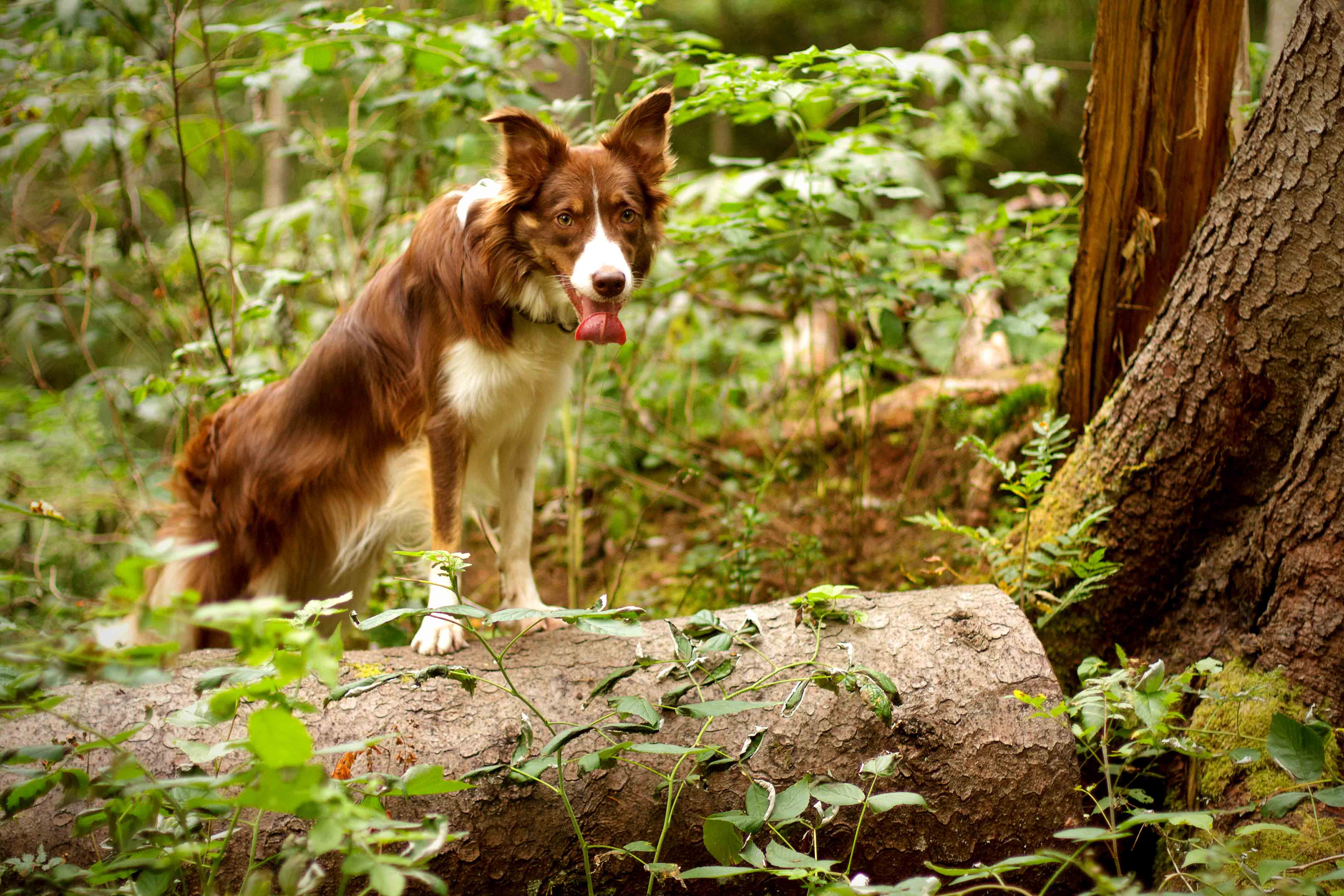
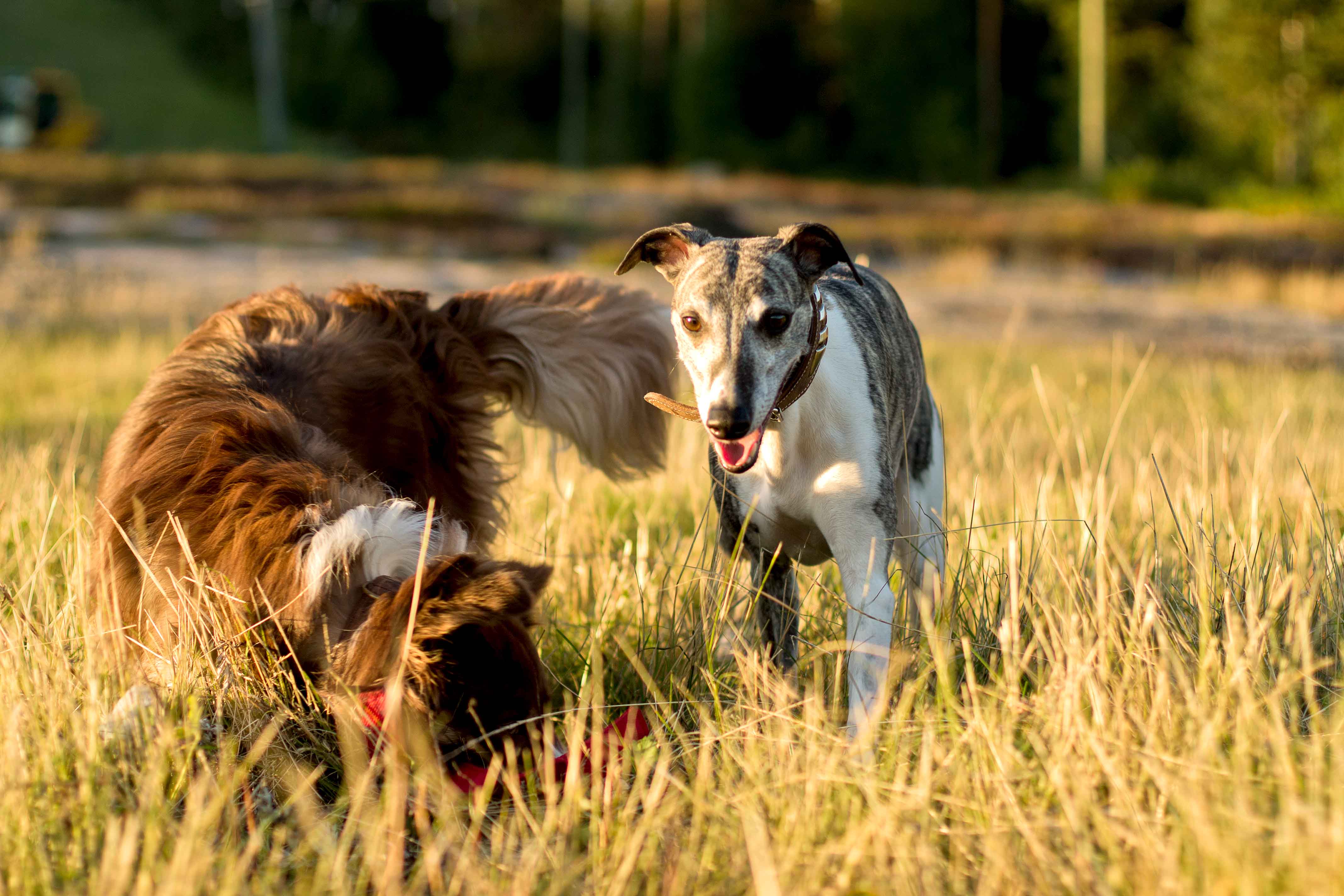
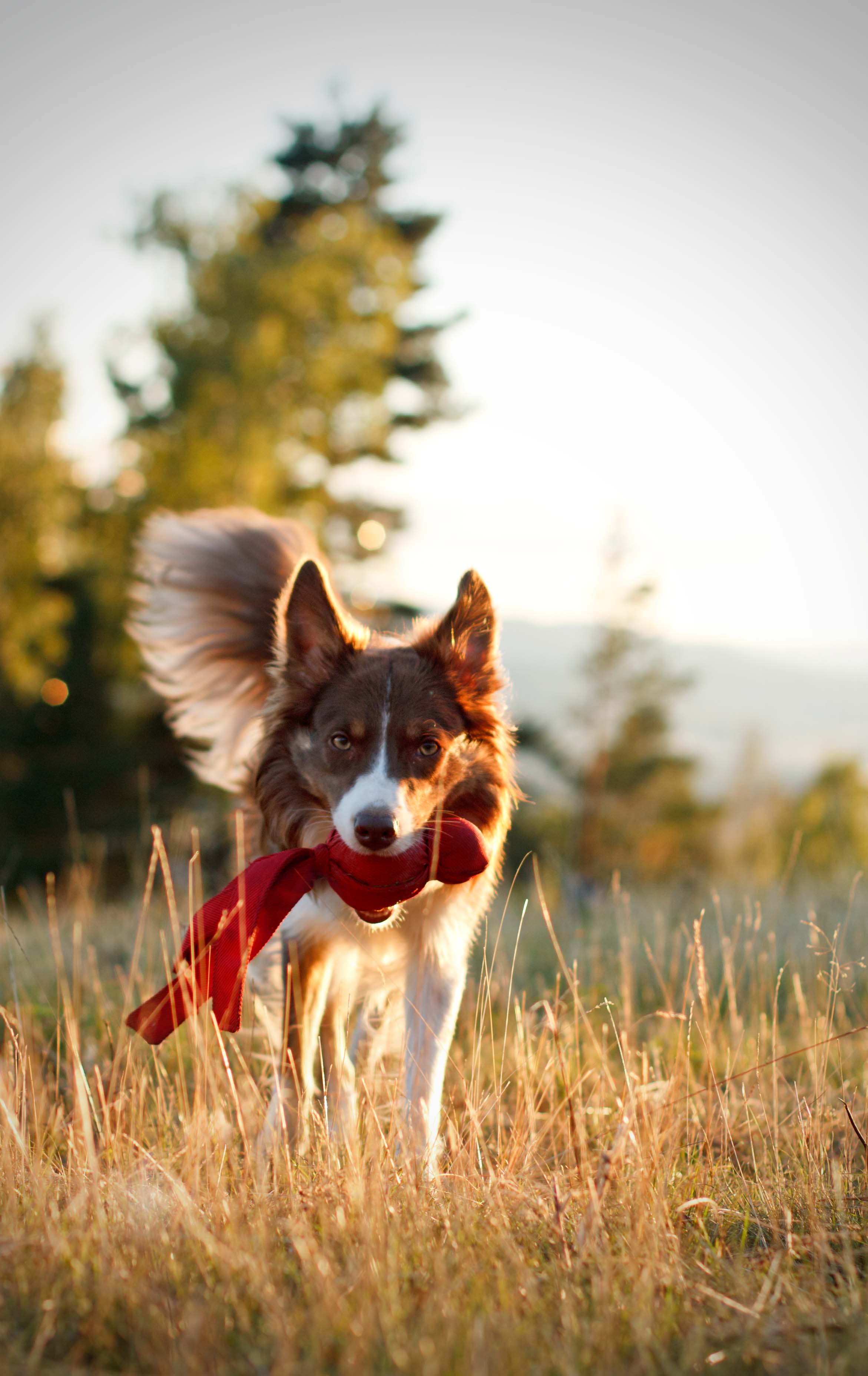
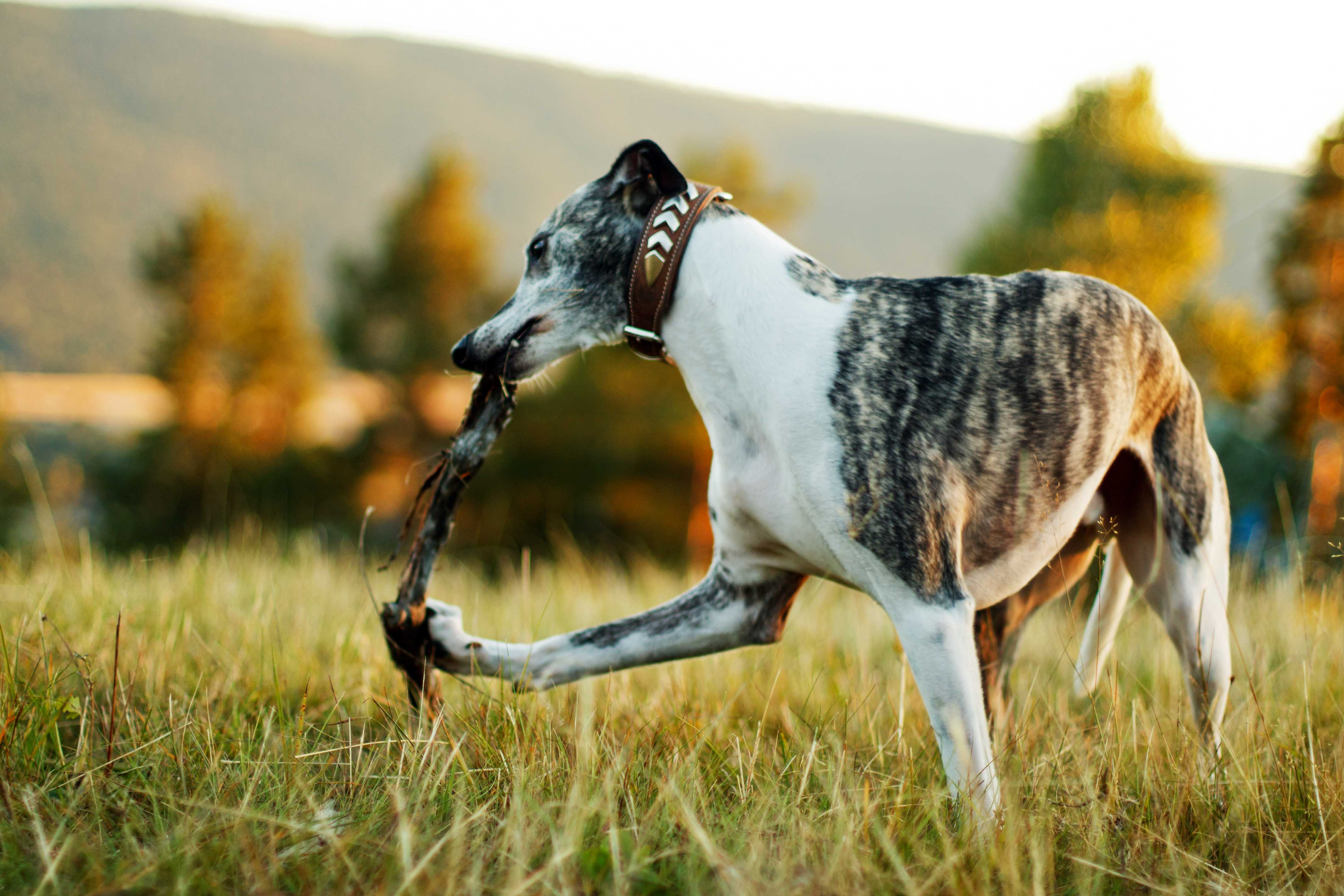
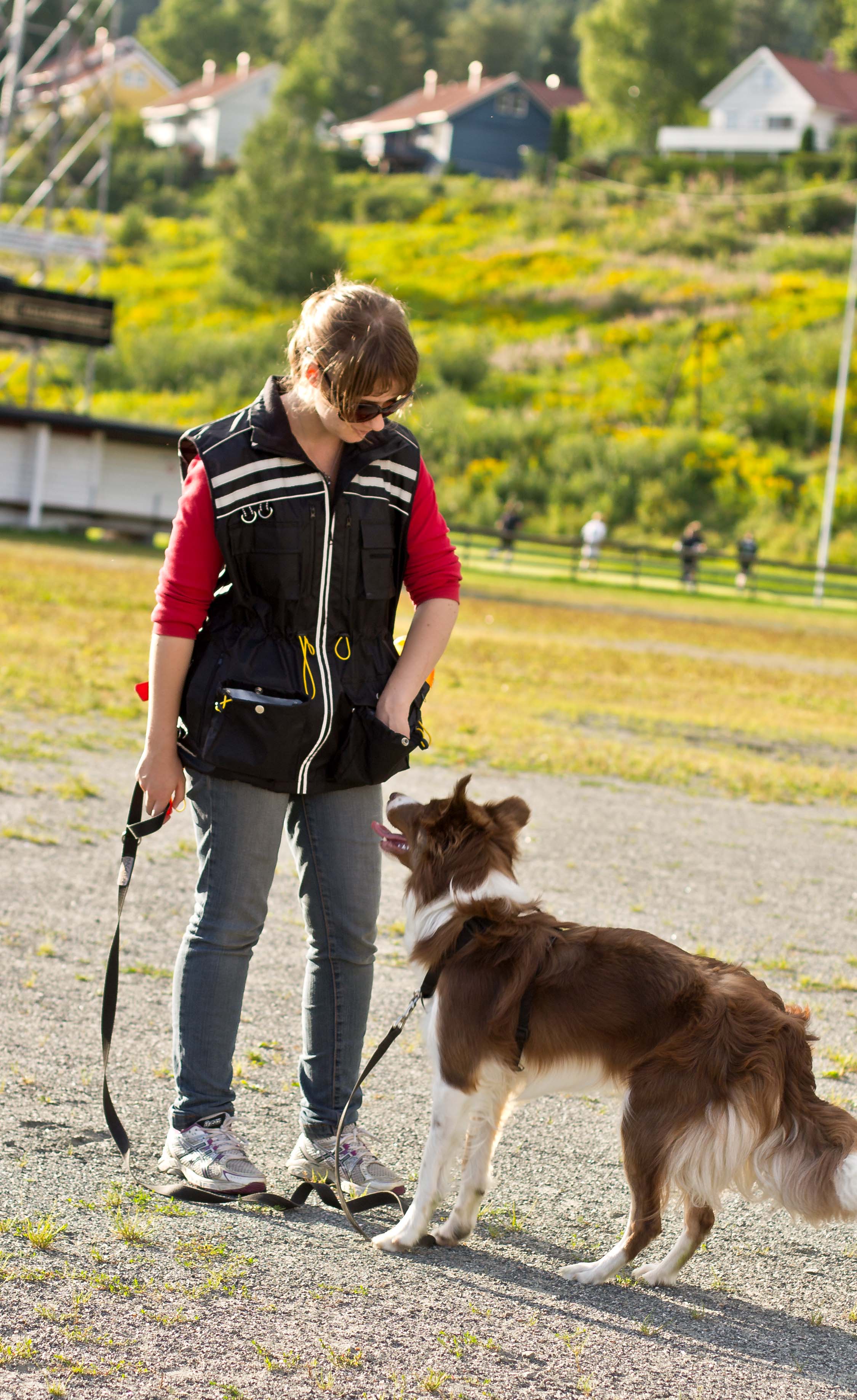
Photo by John Gjertsen, edited by me
Targeting
Targeting is a great way of showing your dog the behaviour you want. You have several different targets you can use, and only your imagination can stop you. Depending on the behaviour you want to teach, the most common targets in use are target sticks, fingers/hands, post-it notes and pads or mats.
Targets can be used to guide your dog into position like luring, only without the treat, making it easier to remove the helping tool. It can be used to get your dog to move to a specific place or to touch certain points with his paw, nose, shoulder etc.
Example:
Final behaviour: Spin around in a circle
You have to have taught your dog to follow a target stick or your finger. This is simple. Just present the stick (or the finger) and click and reward when the dog sniffs it. He will soon understand that touching it will lead to the reward. Start moving it around, and reward the dog for following it. When he does follow it for an extended length of time, you can start training.
It is very simple: get your dog to follow the target stick in a circle. Click and reward when the circle is complete. Repeat this a couple of times, before you start fading away the target stick. Move the stick quicker so the dog will complete the circle more on his own. After a while of slowly fading, your dog will complete the circle without the target stick at all, only by a small gesture or even offer the behaviour by himself.
What are the benefits of targeting?
Targeting makes it easy for you to move your dog into position and to touch whatever you want – and combining the two. Your dog will not be fixated on the treat, which will make it easier to fade the helper, and faster for the dog to learn what to do.
What are the disadvantages of targeting?
Your dog needs to know the target before you start training. Might be difficult to fade the target or remove it completely.
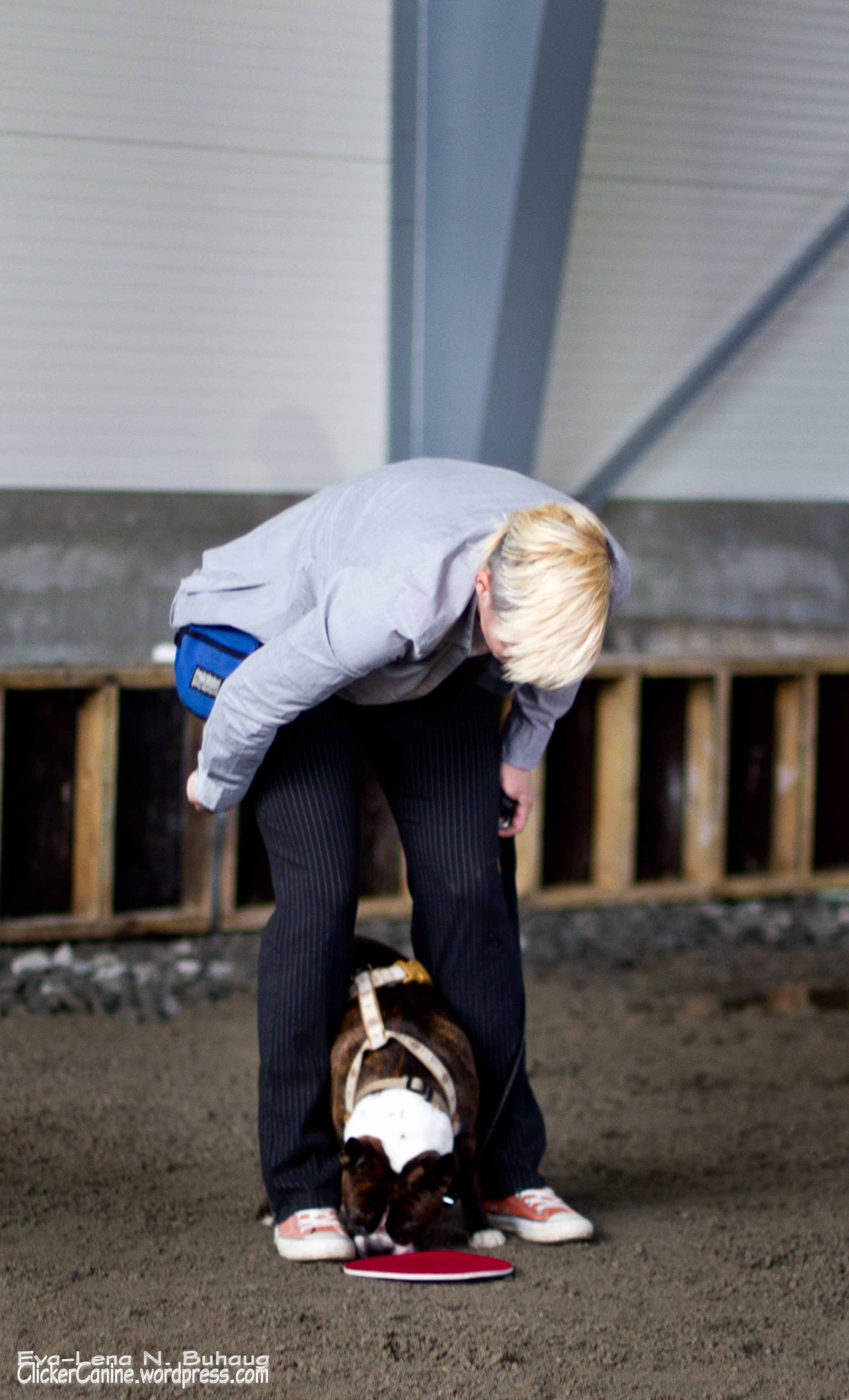
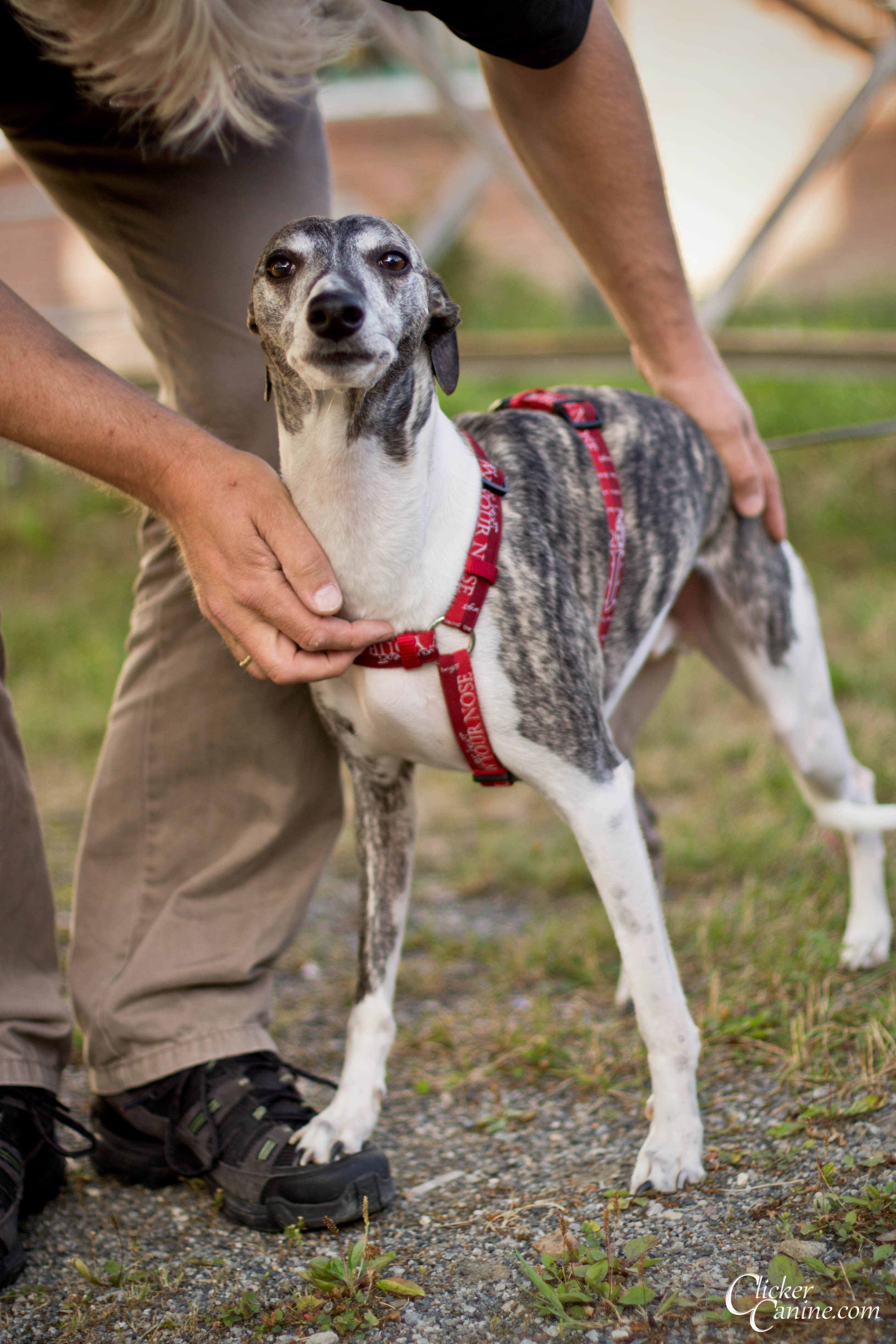
Nose targeting
Luring
Luring is when you use a treat or a toy to lure your dog into performing the behaviour you want. This is perhaps the most common used way in teaching our dogs to do things. It is easy for everyone, and you can, in most cases, lure the dog into doing the whole and complete behaviour before you click and give the reward. It is quick and highly reinforcing for both the trainer and the dog. The dog is getting a lot of treats, and the trainer is feeling good because he or she is giving the dog so many treats, and they both feel successful.
Since the dog only follows the treat, he is not thinking in the same way he would do if he was shaped. Getting the dog to understand exactly what lead to the treat can be challenging. Therefore it is important to fade the lure as quickly as possible. If not you will perhaps find it challenging to get the dog to perform the behaviour without having a treat in front of his nose.
Example:
Final behaviour: Spin around in a circle
Hold the treat in your hand and start getting your dog to follow it. He will most likely do so with eager. Move your hand in a big circle while your dog is following, click and give the treat once the circle is complete. Depending on the dog, you might have to give the treat before it is complete, and then give another one once it is completed, and it might be beneficial to have several treats in hand so you can continue the luring from the same point.
Once you’ve lured the dog in a circle a couple of times, it is time to fade the lure. It is important to do so quickly so you won’t have to depend on having the treat in hand in order for your dog to perform. The earlier you fade it, the easier it will be, because the dog will be more aware of what lead to the treat.
To fade the lure, I simply start pretending I have a treat in my hand, and lure the dog like before. I click, then I take the treat from my treat bag and give it do my dog. After this you can start raising your hand slightly, and make smaller circle, and after a while your dog will spin in a circle just by seeing you finger move in a circle.
What are the benefits of luring?
It is very easy to get the dog to follow your hand because the treat is in it. You can easily lure the dog in the right position right away, and it is highly reinforcing for both the owner and the dog.
What are the disadvantages of luring?
It might be hard to get the dog to perform without guiding him with a treat. It might also be challenging if your dog is showing little or no interest in treats.

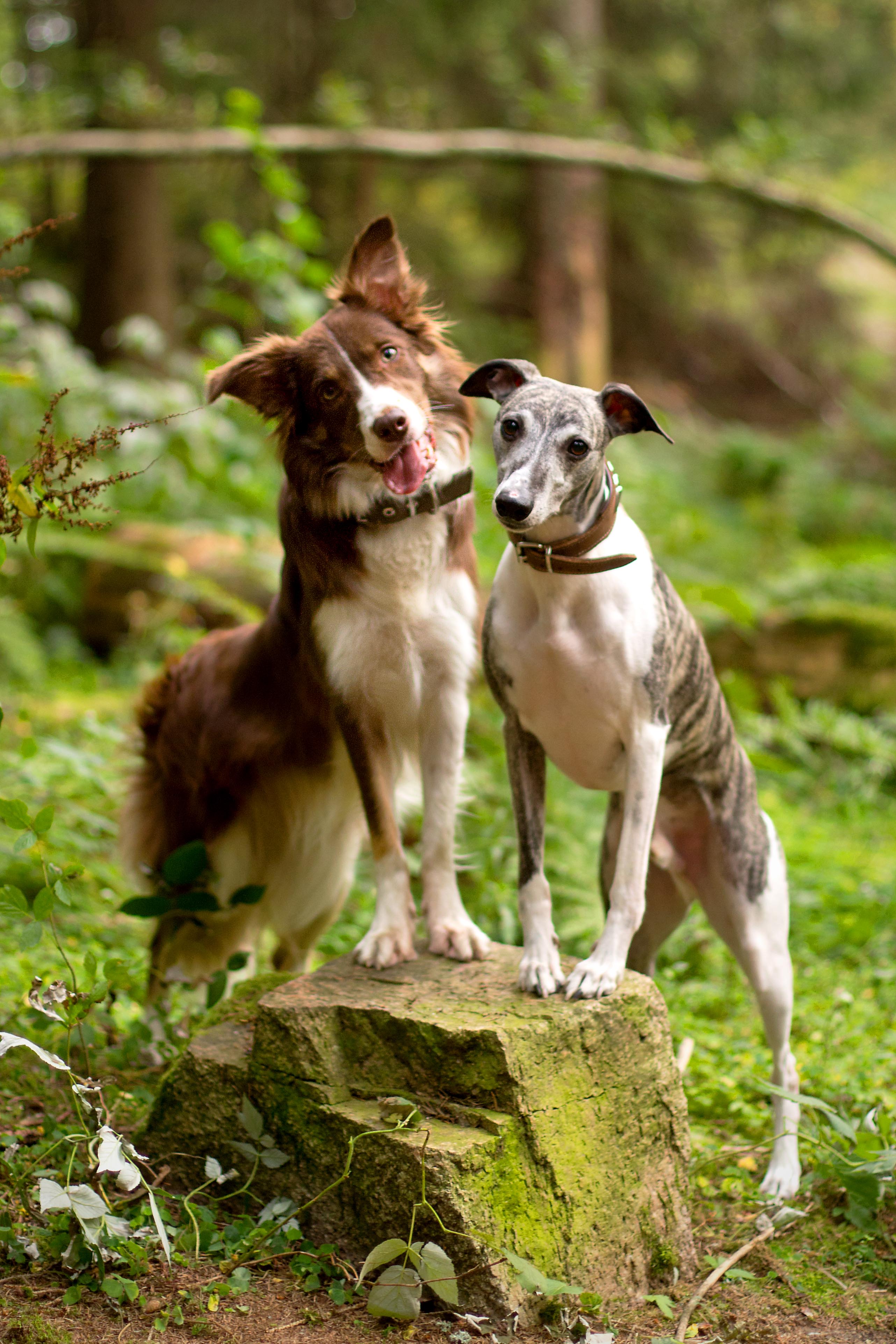
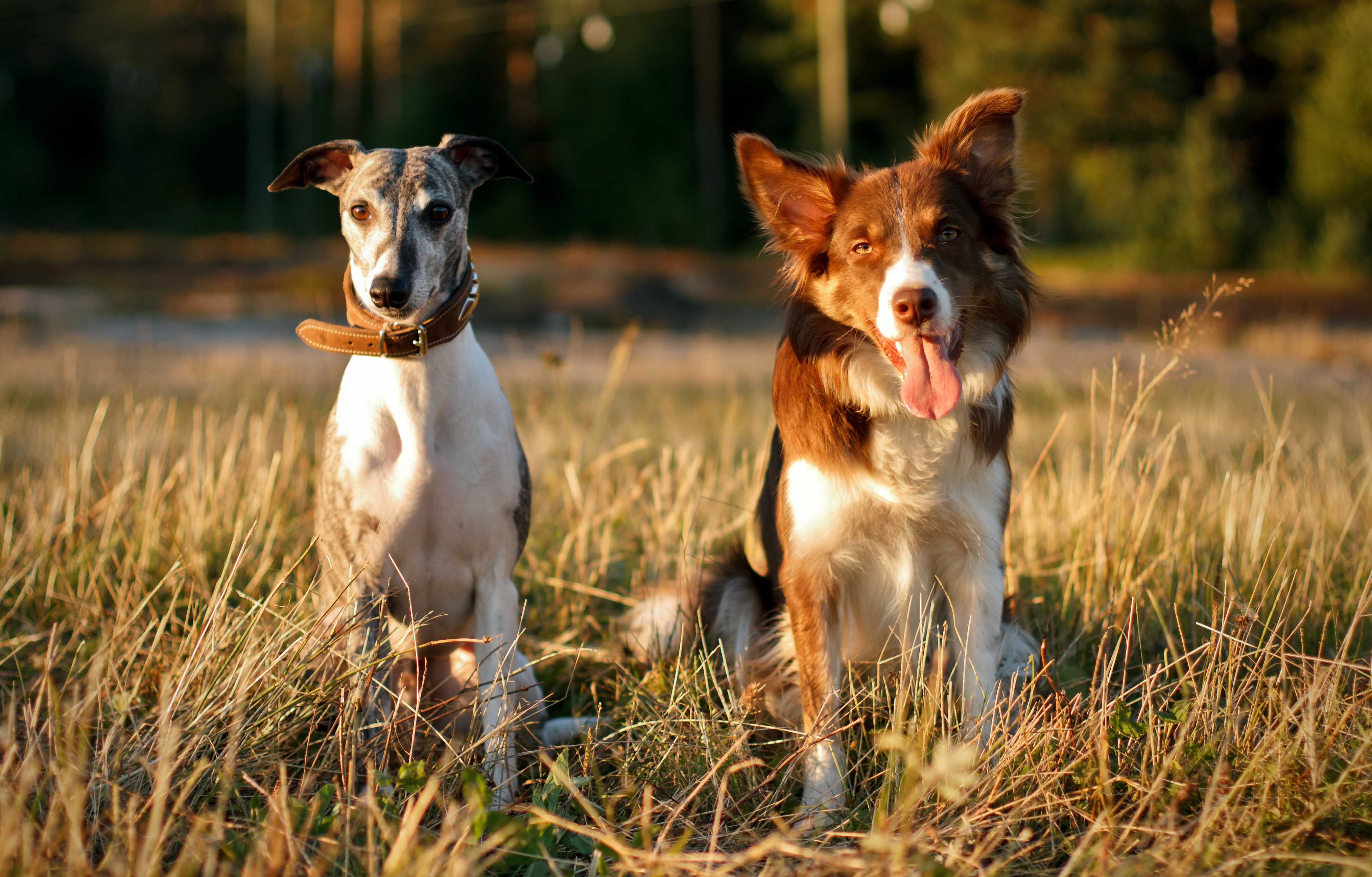
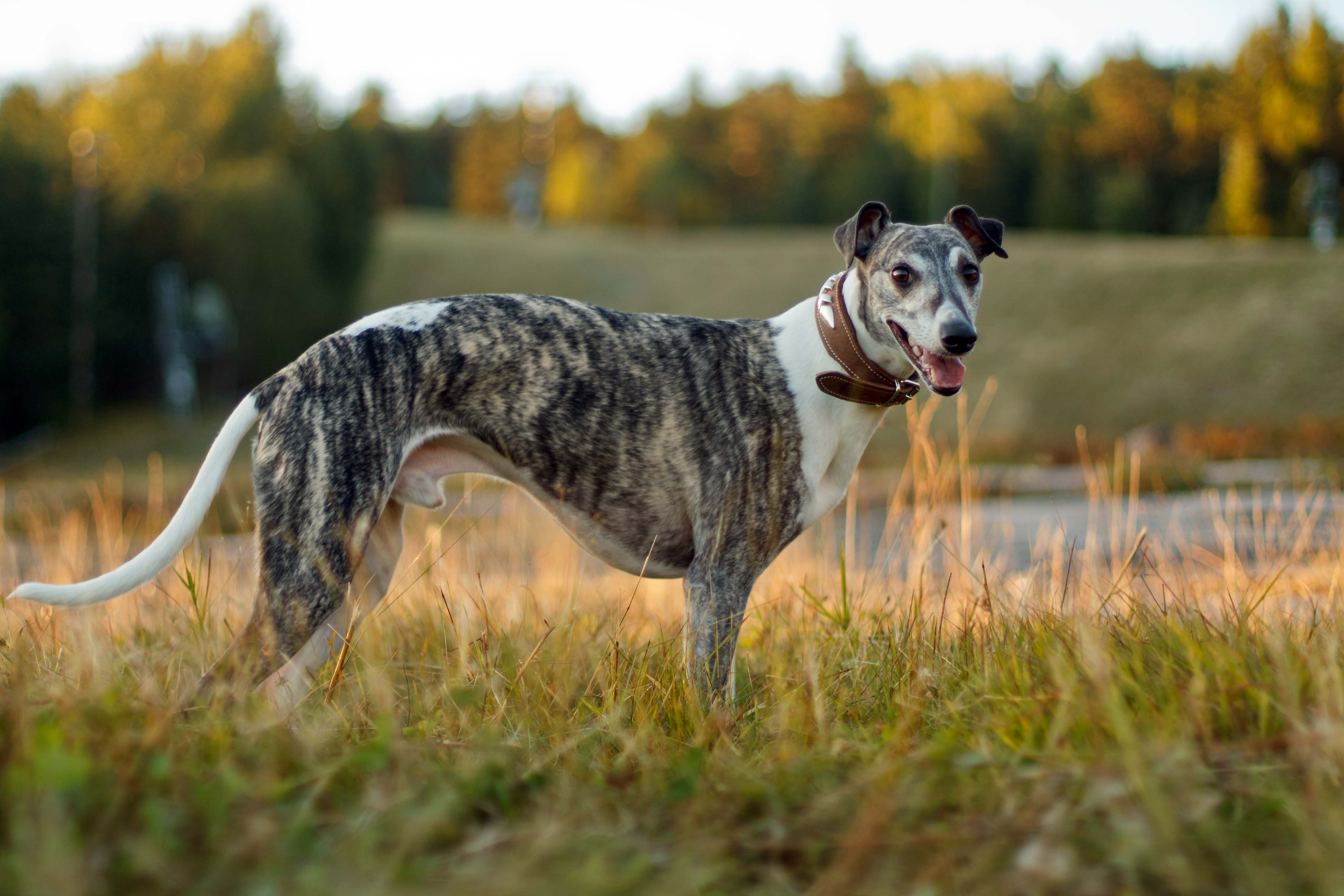
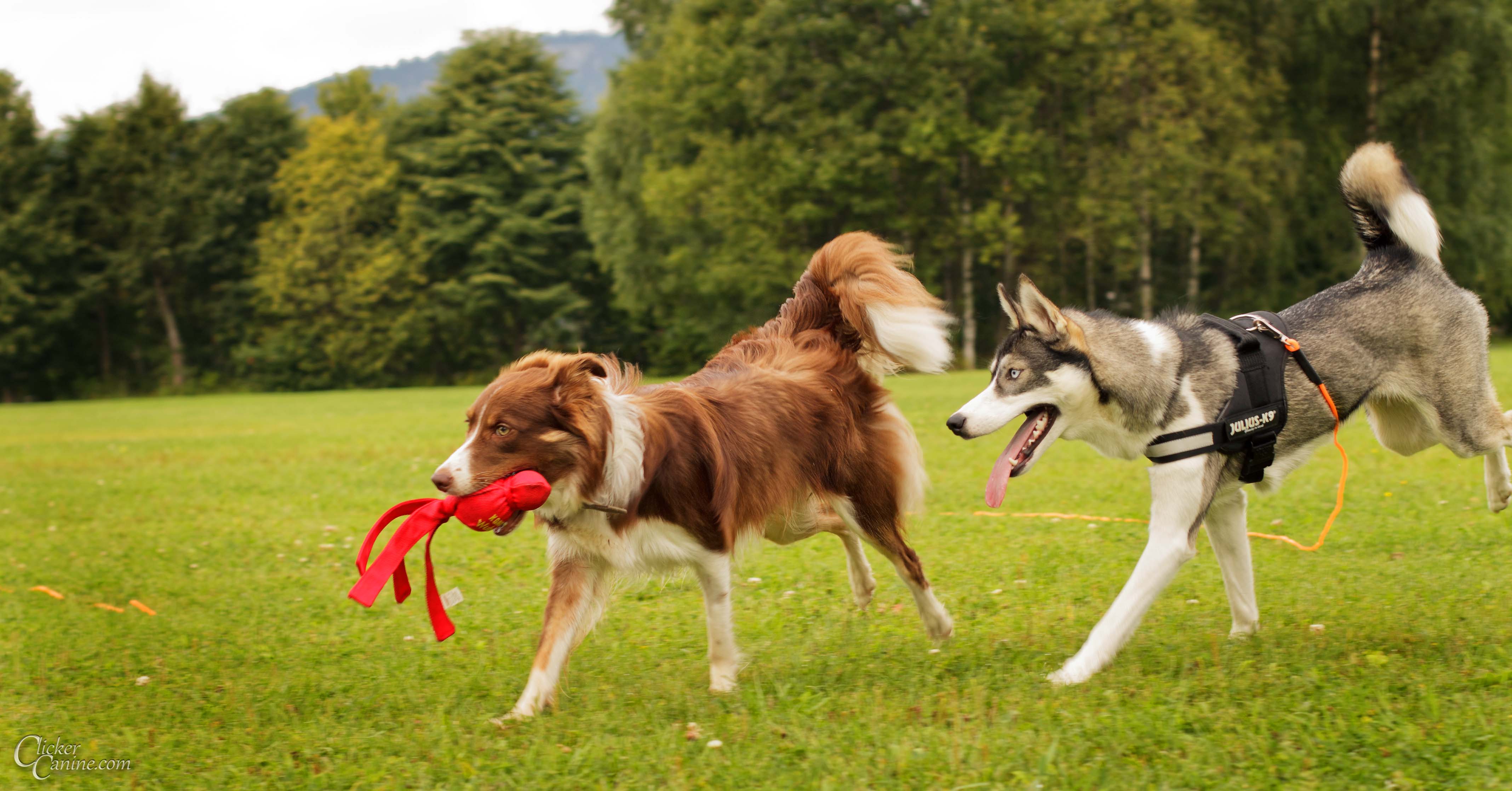
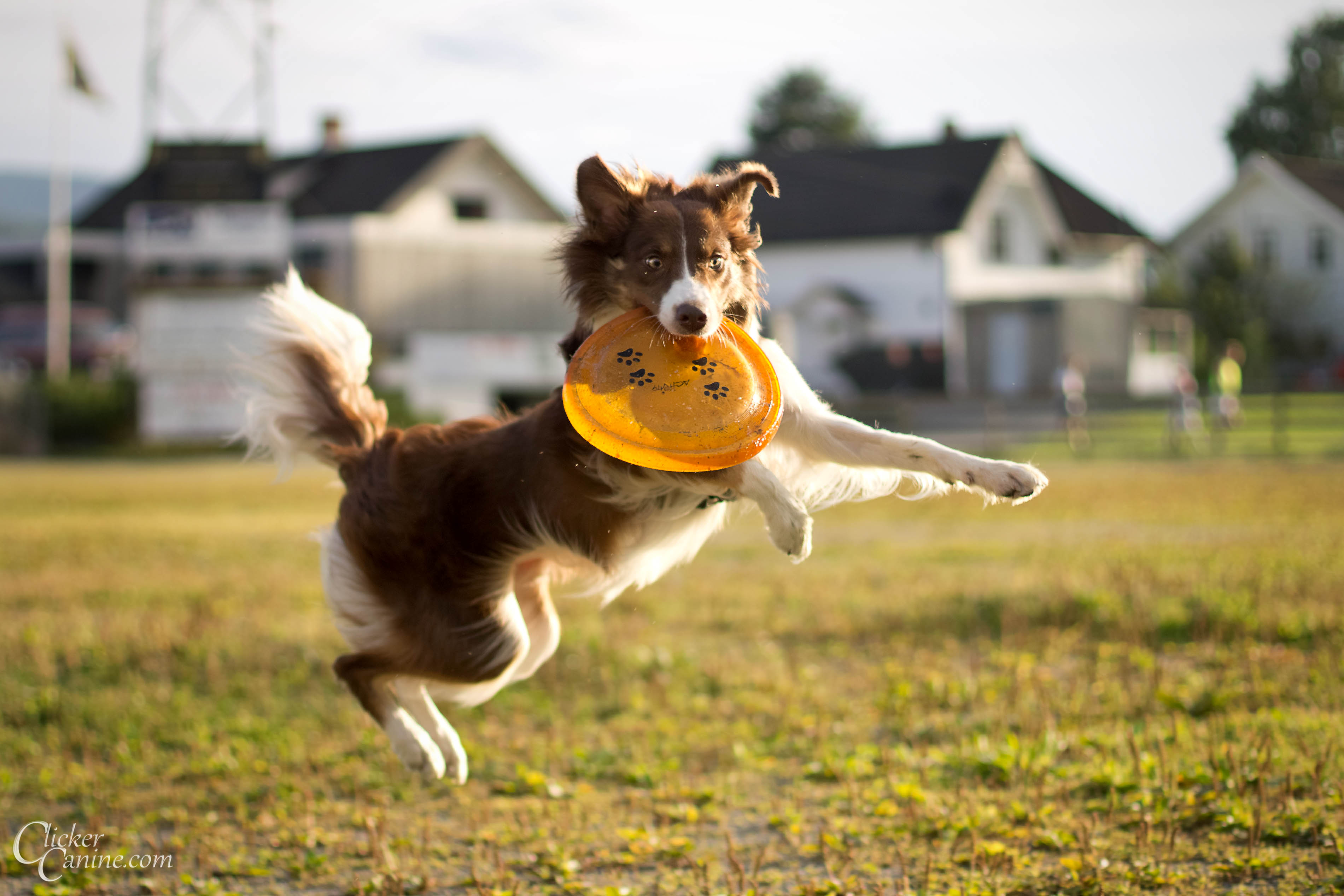
Photo and editing by John Gjertsen
Capturing
Capturing means that you click and reward for a behaviour your dog offers by himself. I taught Luna the release command by this method. (I will use this in my example below). This is one of the few times I will recommend to use the command right away, to get your dog to combine the word with the action right away. You can, of course, click and treat for it, but depending on what you’re capturing, it may not be something that will be offered again and again, and therefore I think it’s easier and faster to get a verbal command on it right away. The behaviour is already finished, so the word will represent correct behaviour.
Example:
Final behaviour: Release toys
Say «Let go!» or «Release» or whatever you want to say to get your dog to drop his toys, the moment he lets go by himself, and reward this. After a few times of this (the number of times varies from dog to dog) your dog will drop things on command after you say it, because he will connect the word to the behaviour.
What are the benefits of capturing?
It is a behaviour your dog will show by himself, and it is correct from the beginning.
What are the disadvantages of capturing?
It is very hard to plan in front what you are going to train, because this is purely based on behaviours offered from the dog. It may take a lot of time.
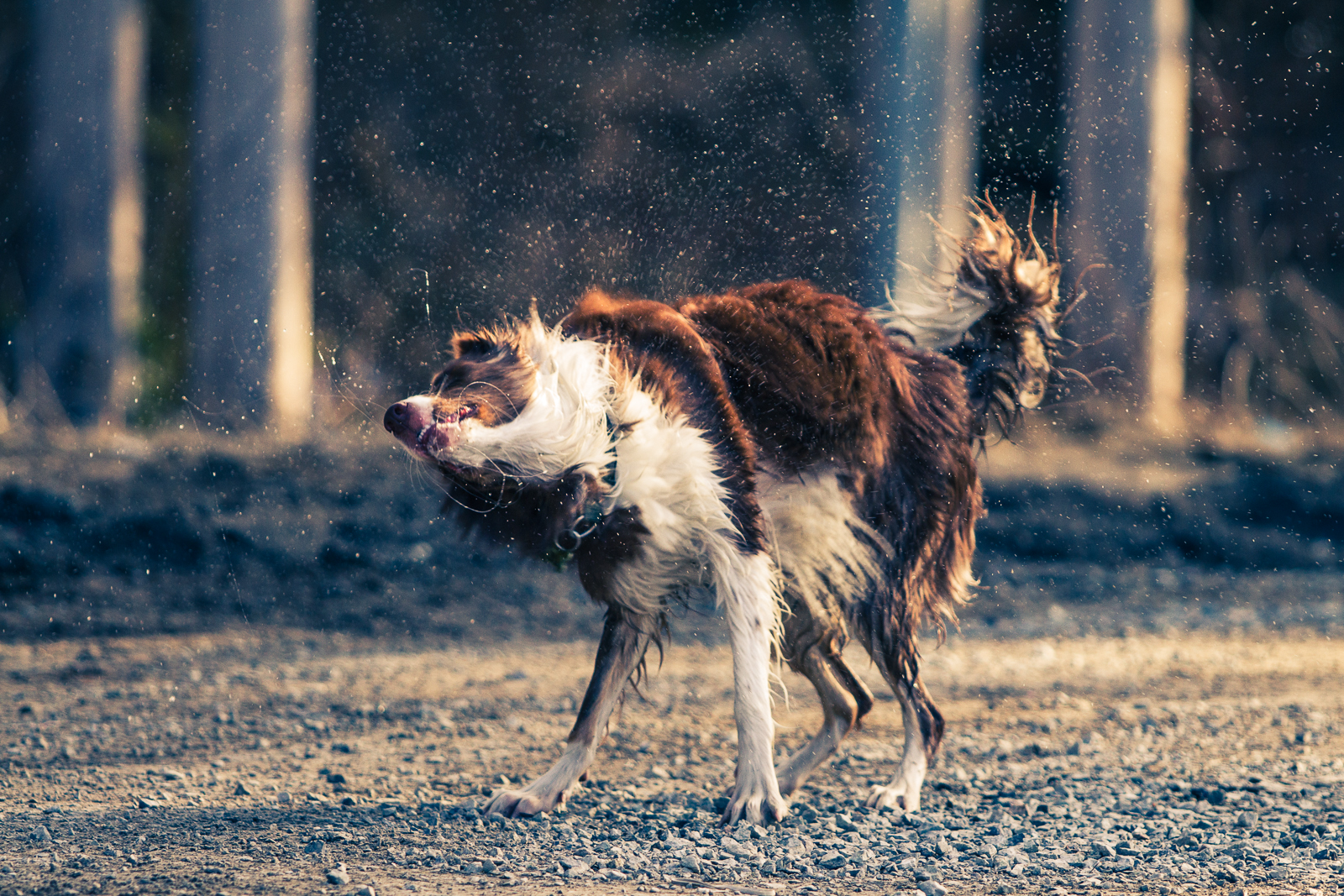
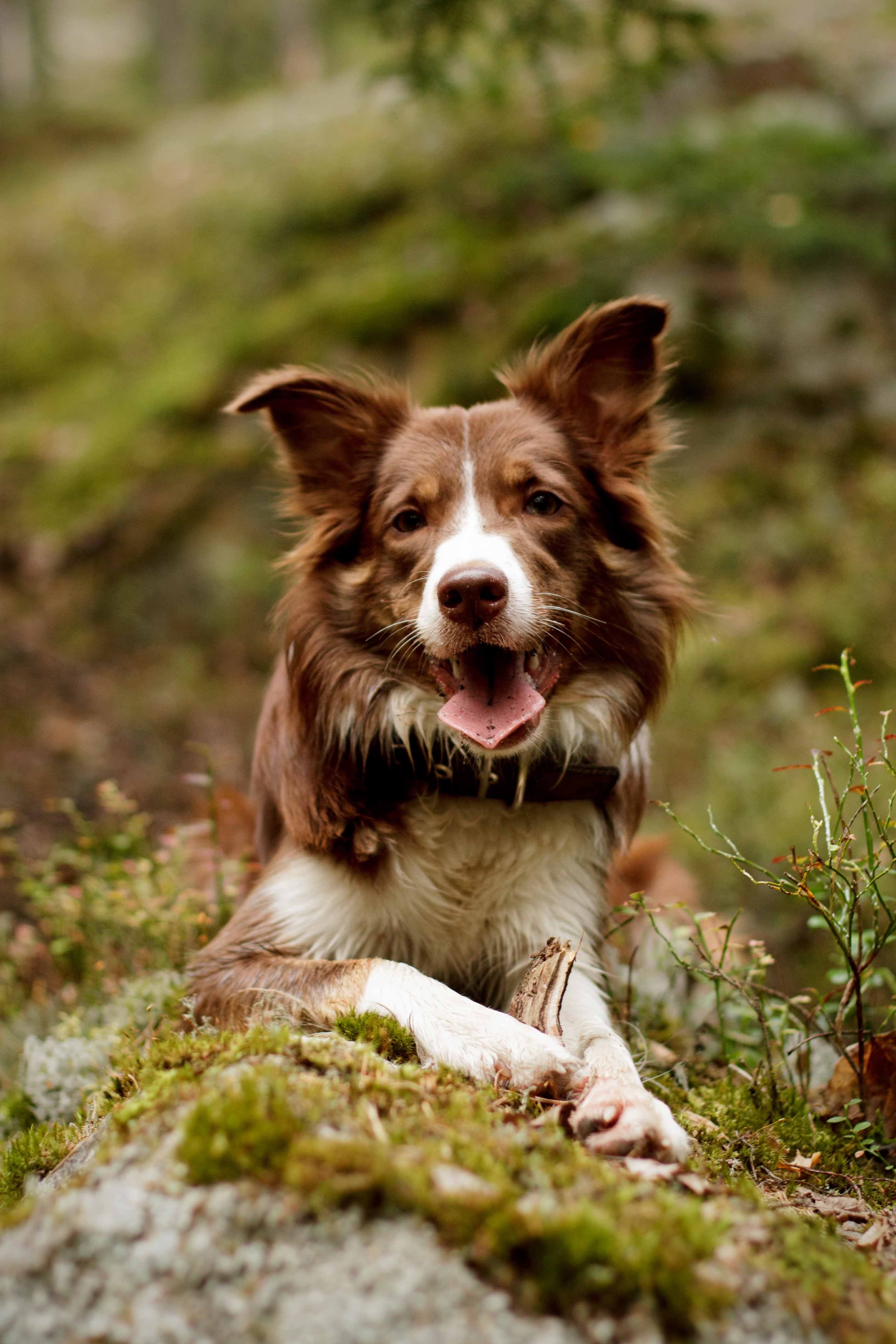
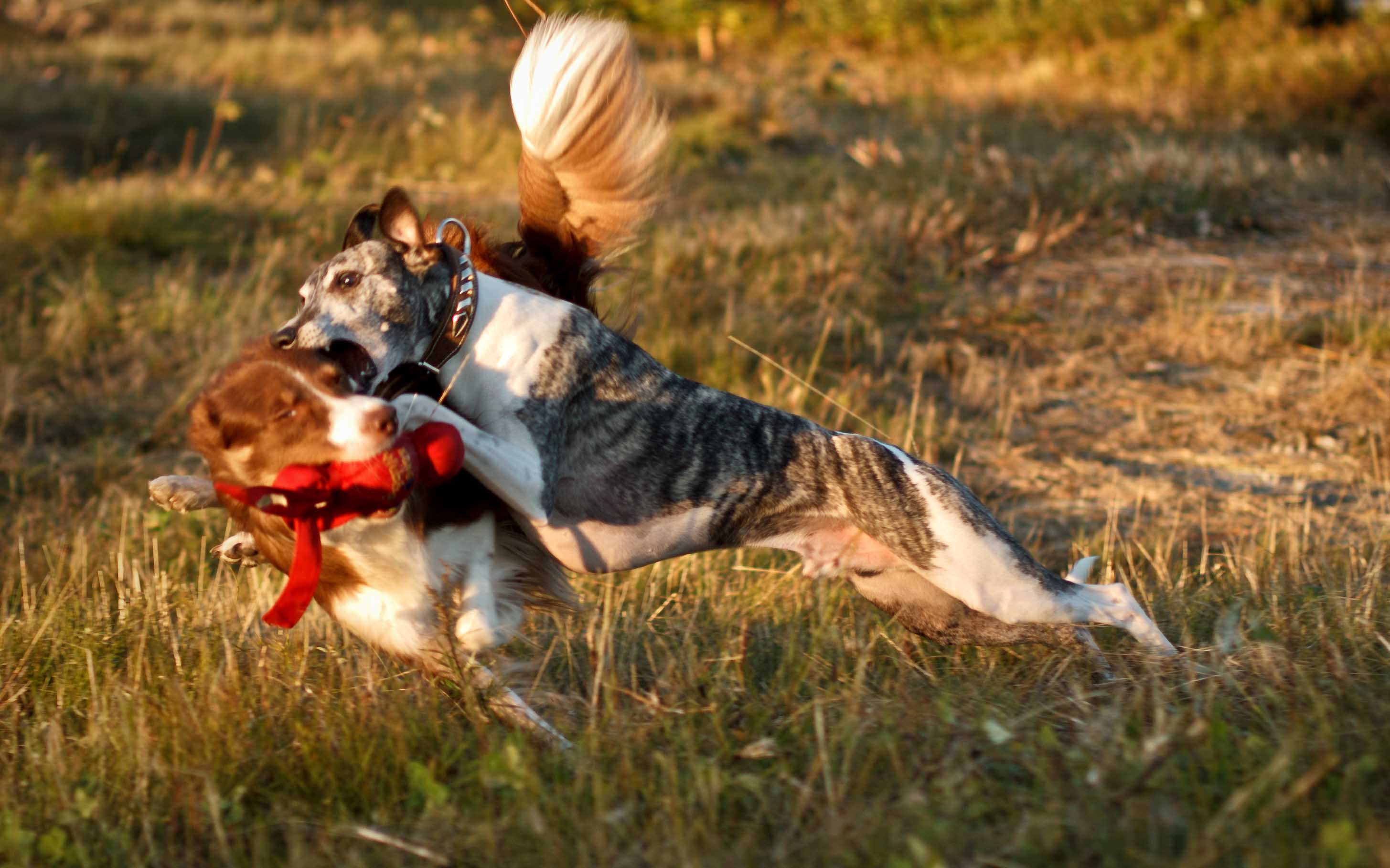
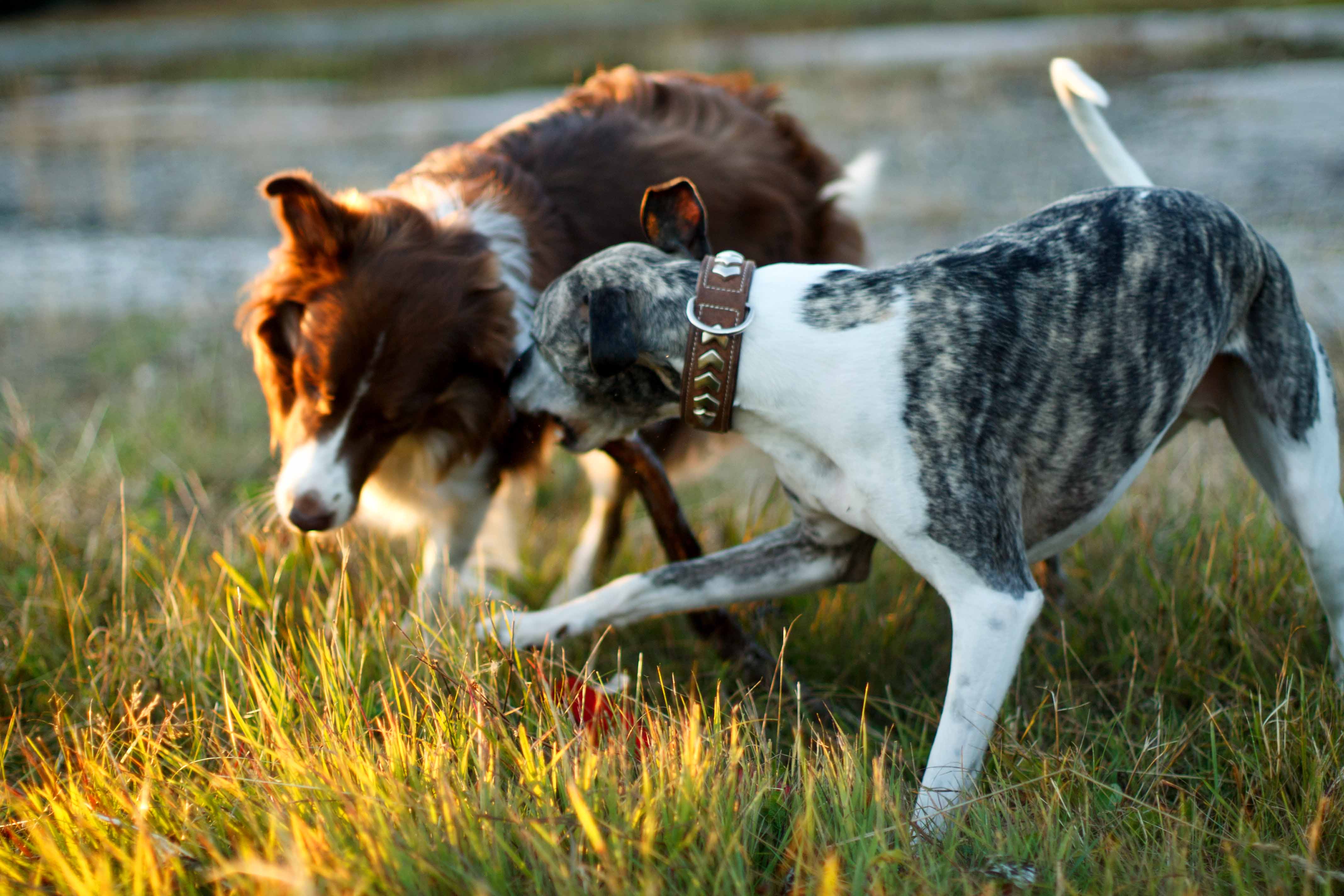
Shaking off is perfect for capturing. Photo and editing by John Gjertsen
Basics
The click should always be followed by a reward, even if you happen to click to slow and click for the wrong behaviour. Your dog does not know that you clicked for the wrong thing, and you can always correct yourself later and click for the right thing. This is important for retaining the message the clicker brings («THAT will give you a reward»), and it should be 100% reliable.
In clicker training we focus on what we want instead of what we don’t want. If we want the dog to sit, but instead it lies down, we simply ignore that. There is no need for positive punishment (adding pain, discomfort or fear), as the fact that lying down is not rewarded. This is telling the dog that «This was not the behaviour my human was looking for, I’ll try something else!», and when the dog sits, the click and reward will follow.
Self rewarding and emergency situations
To follow up the point of ignoring, I will state that not all behaviours should or can be ignored. I will not ignore it if my dog walks up on the table and start eating my dinner. I will simply remove the dog and train him or her to leave my dinner alone another time. It is a big misunderstanding that all unwanted behaviour should be ignored. In this case, the dog will not stop eating my dinner because I ignore it. My dinner tastes good, and the behaviour is very likely to occur again because it is highly rewarding for the dog. This is called self rewarding.
Other times behaviours should not be ignored is when they attack or bite other animals, dogs or humans. Of course you should try to prevent yourself from being harmed by pulling fighting dogs from each other, and always use your head and think before you act, but some of my friends thought I’d never shout at my dogs, no matter what the situation. They believed I would wait until my dogs stopped fighting so I could click and reward them for stopping. A huge mistake. This is an emergency and I will do whatever it takes to stop my dogs from fighting. If this means I will have to scream, shout, scare or even cause my dogs pain from separating them, I will. The outcome from the fight can be much worse than what I will do. And yes, my dogs have fought, and one of them was in need of veterinary care and stitches. If I hadn’t separated them it could have been much more severe. That is, however, not a training situation. It is an emergency, and it needs to be stopped fast. After situation like these, you set up training sessions where you teach your dogs to cope with whatever caused the fight. First cope, then to be comfortable in these situations.

In this picture one of my dogs is giving my newest cat a clear warning to keep away from her food. She is not at all comfortable with having him around her dinner. My newest cat thinks all creatures like to share their food, and I need to train him to leave my dogs food alone. Then I can focus on getting Luna relaxed while this cat is around when she is eating, as she will with my other cats.
Reinforcement and Punishment
In clicker training we use positive reinforcement(+R) and negative punishment(-P). Positive stands for adding something, and negative stands for withholding or removing something.
Positive Reinforcement(+R)
Positive Reinforcement is something your dog wants to gain. It can be food, treats, toys, play, greeting another dog, sniffing that special spot and so on. The dog will gain this by behaving how we want him to. For example: the dog is allowed to sniff that special spot that smells so interesting, if he sits first.
Negative Reinforcement(-R)
Negative Reinforcement is something your dog wants to stop or wants to avoid. This can be a shock, leash jerking, threats or intimidation and other unpleasant things. For example: the trainer will stop pinching the dog’s ear as soon as the dog releases the ball.
Positive Punishment(+P)
Positive Punishment is very similar to Negative Reinforcement. The main difference is that punishment immediately follows an unwanted behaviour. For example: the dog jumped on the trainer and got a knee kicked in his chest.
Negative Punishment(-P)
Negative Punishment is when the dog loses his chance of getting the reward. You either remove the reward or withhold it. For example: the dog jumped on the trainer and the trainer turned away. The dog was not rewarded with attention when he jumped. (This can easily be combined with positive reinforcement, by telling the dog to sit and then reward the sit with attention and strokes or even a treat or play).
When should you stop using the clicker?
When you dog knows the command you’ve been working on, there is really no need for the clicker any more for this particular command. This does not mean that you should stop rewarding your dog for it, but you can reward it differently using a variable schedule reinforcement. I will write more about this in another post.

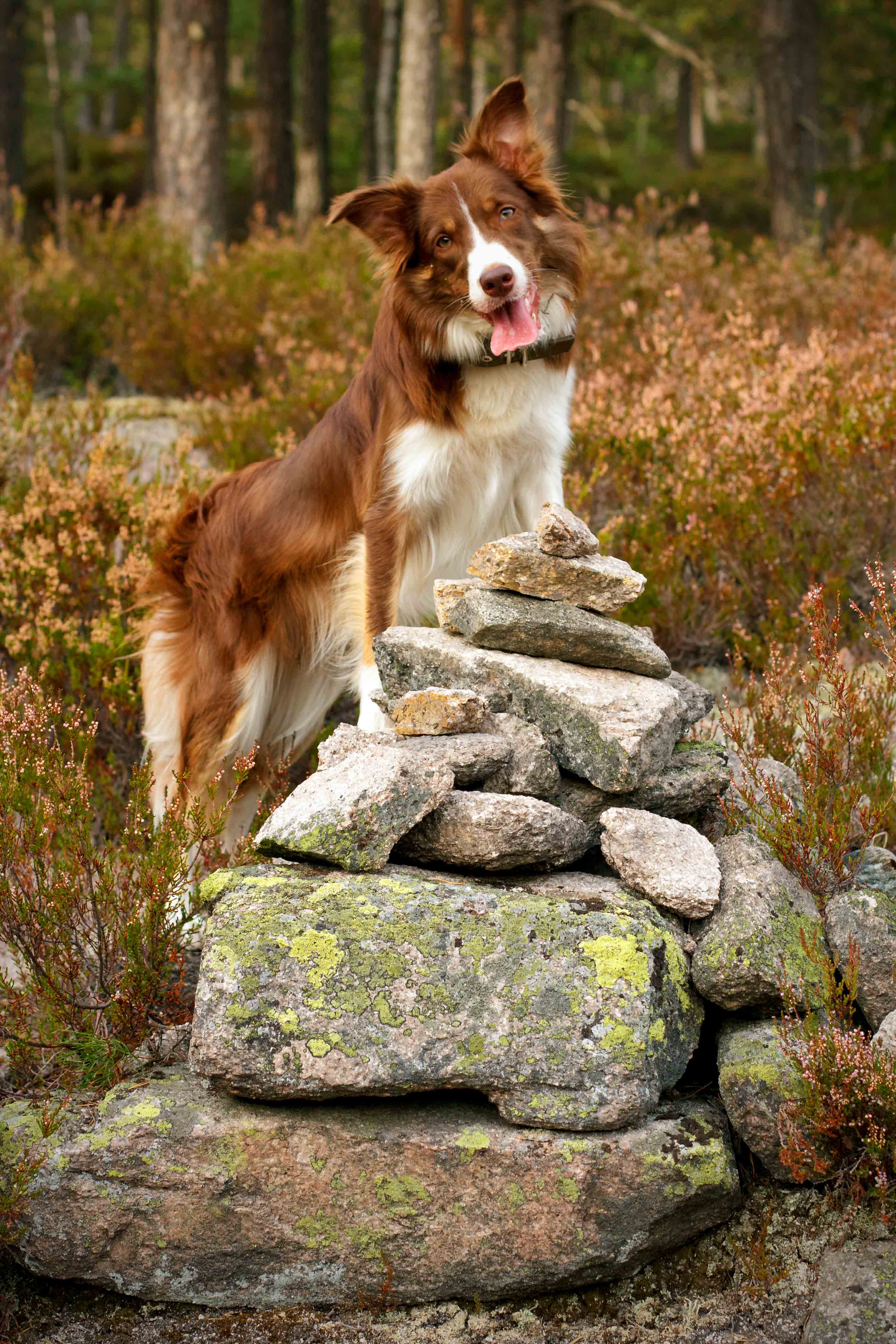
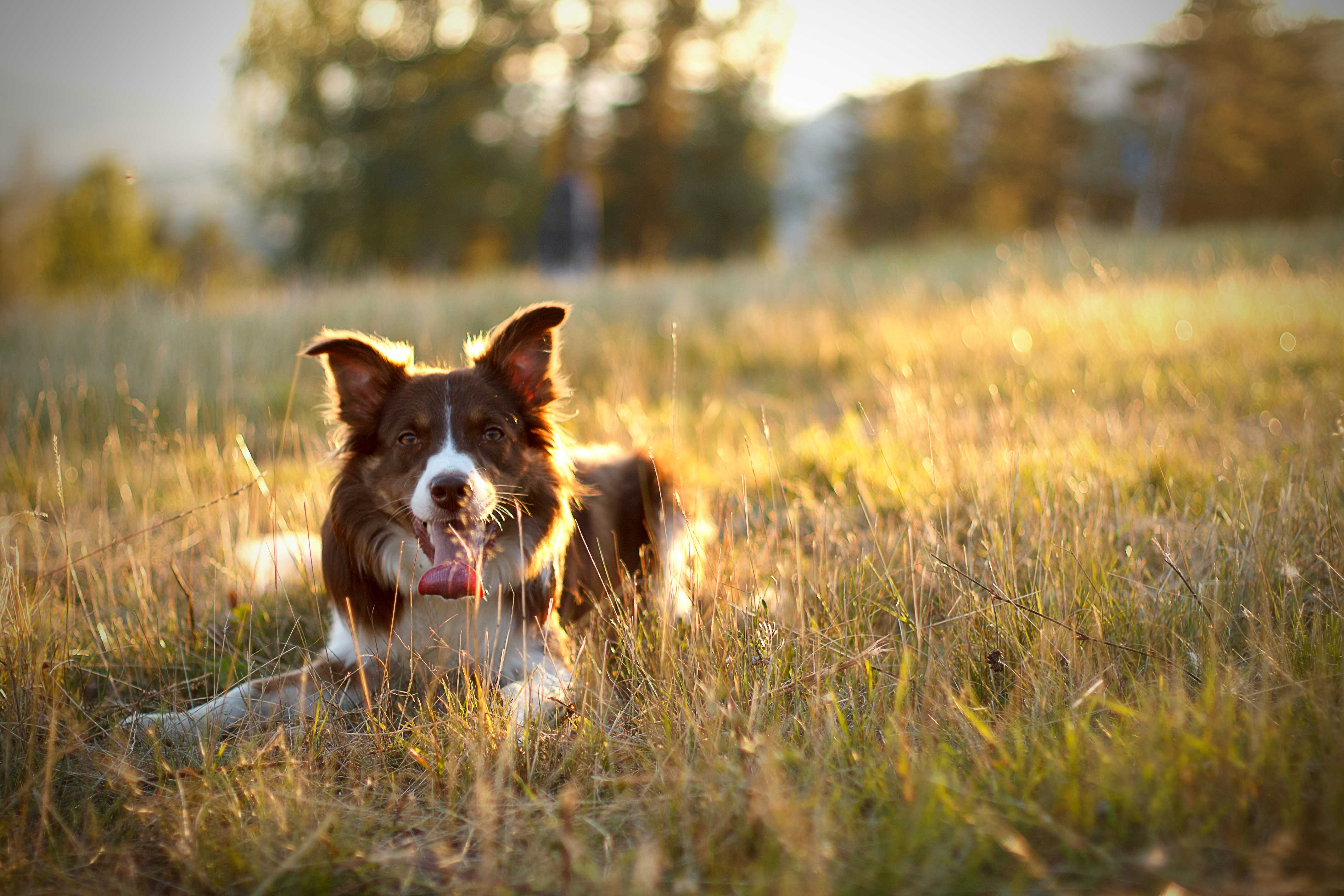
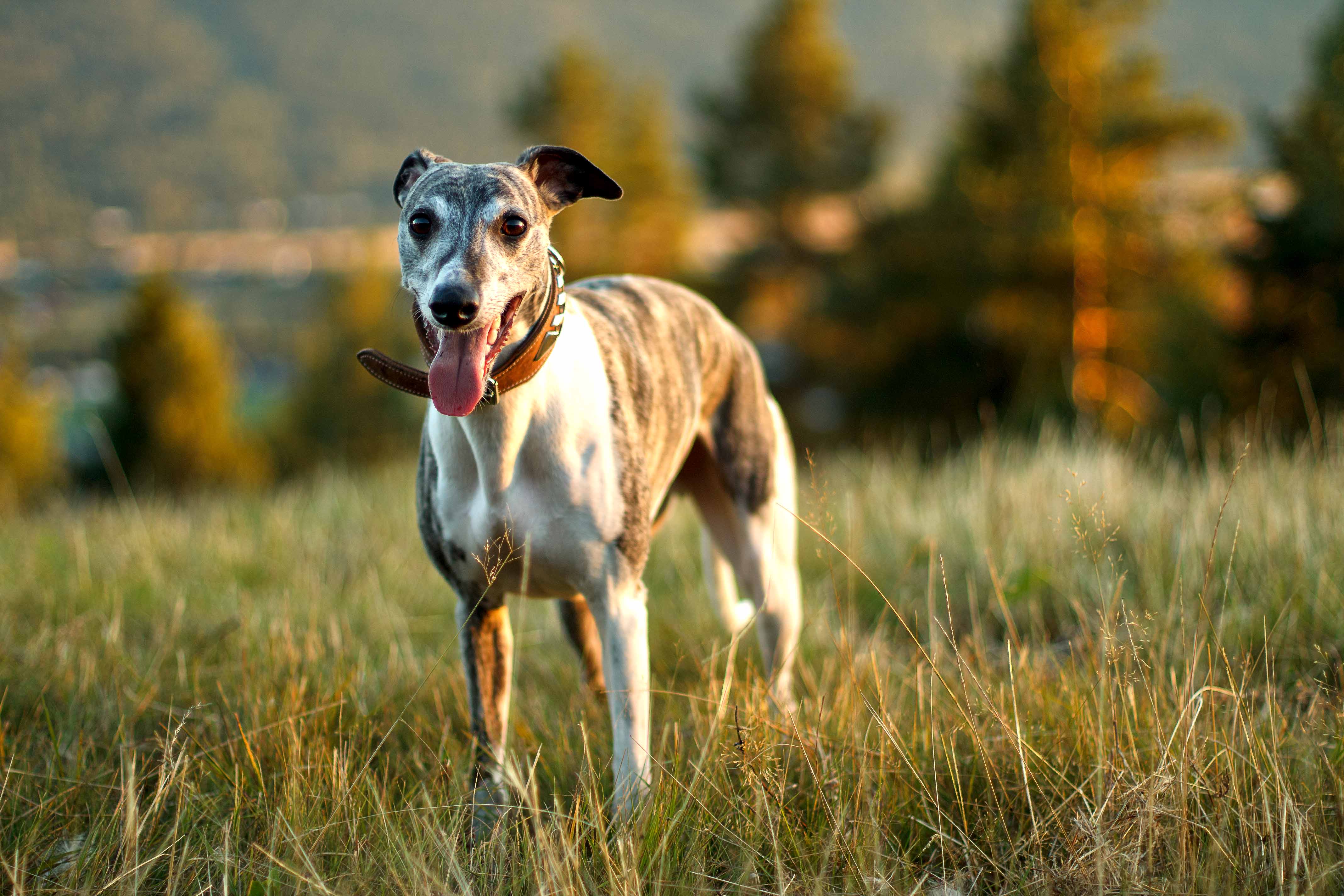
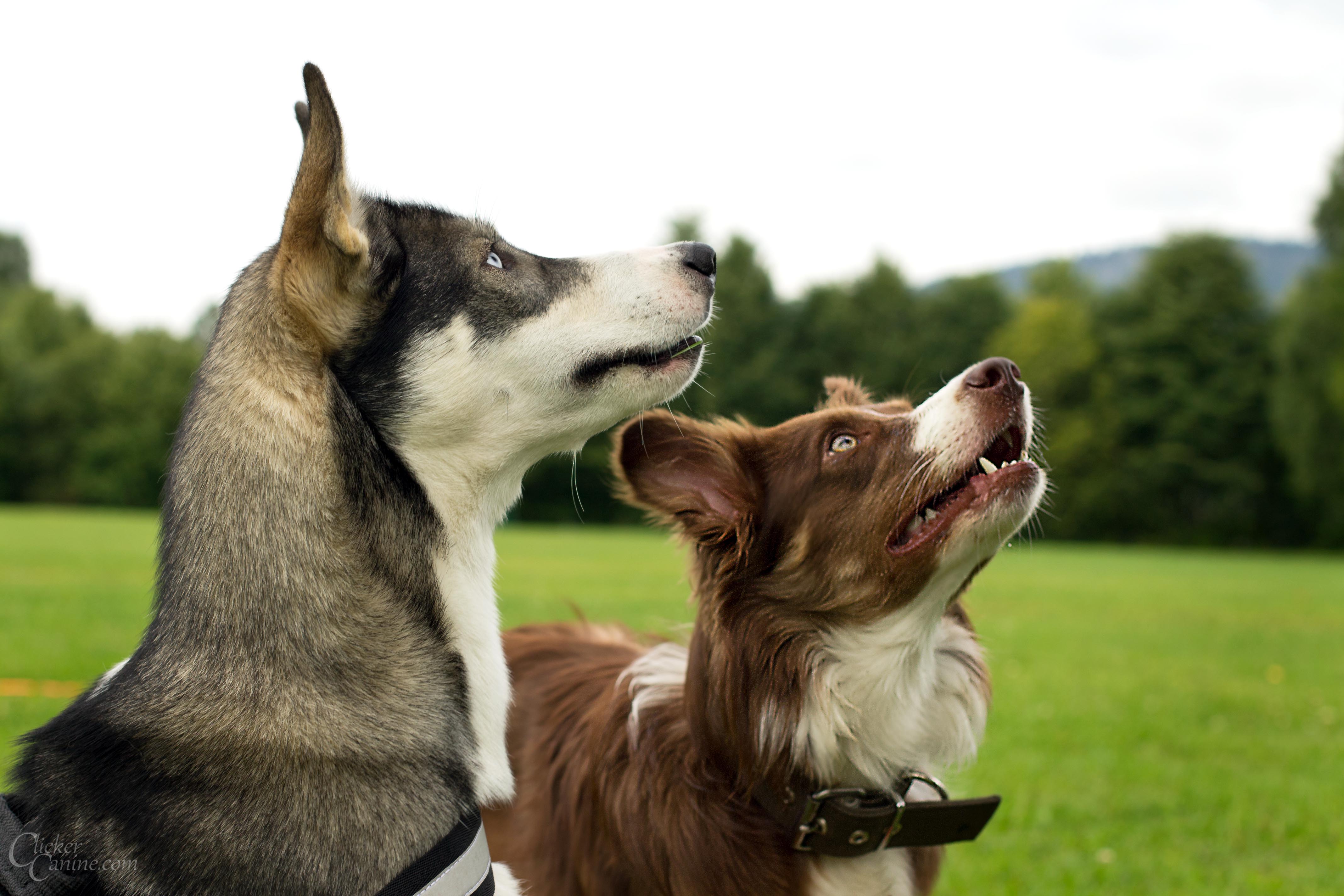
Photo by John Gjertsen, edited by me
I hope you found this article interesting and might even helpful! Please comment below or send me an e-mail (e.buhaug(at)yahoo.no) if you have any questions, and I will answer as quickly as possible!
This post will soon be followed up by other post about specific features in clicker training, such as when to click, when to start adding a word to the behaviour and so on. Stay tuned!












 Have you ever given a thought on your dog’s sleep? Where does your dog sleep? Does he sleep alone? In a crate? I have, from the first moment I brought my first puppy home, been set on letting my dog feel safe. Now, I’m am no expert on this subject. Far from. However, if you give it a thought, it is very obvious.




 Clicker Canine